
Center for Agriculture and the Economy
Leveraging expertise from the Kansas City Fed, the Center provides timely analysis of industry developments and conducts ongoing research on the agricultural economy.
Broader Economic Pressure from Weakness in the Farm Sector Remains Modest
By Ty Kreitman
October 15, 2026
According to agricultural lenders, the farm economy has had only a modestly negative effect on broader economic conditions in many local areas captured by the survey and has also been a source of support in others. Weakness in the crop sector during recent years has weighed on farm incomes, reduced capital spending and increased risks of broader economic implications in rural areas most heavily concentrated in agricultural production. Despite ongoing challenges, robust support from government payments and strong farm real estate values have helped limit farm financial stress and wider negative impacts. In other areas, strength in the cattle sector has likely been a positive boost to broader economic conditions.
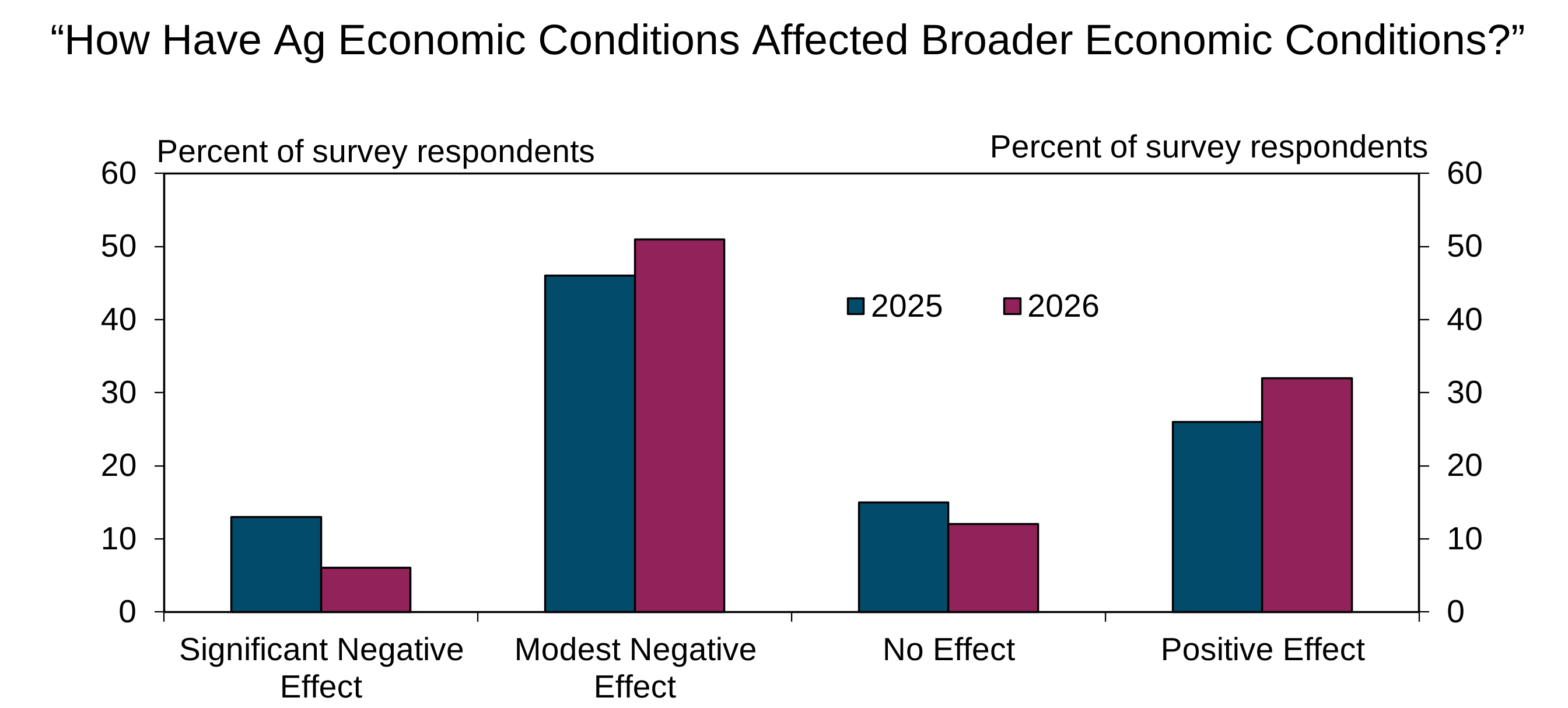
Note: The above information is sourced from a panel of approximately 250 agricultural lenders throughout the U.S. during the third quarter Survey of Agricultural Credit Conditions conducted by the Federal Reserve Bank of Kansas City. Respondents were asked the following question: How have recent agricultural economic conditions affected broader economic conditions and business activity in your lending area?
Source: Federal Reserve Bank of Kanas City Survey of Agricultural Credit Conditions
Find additional Insights on Agricultural and Rural Economies.
Research and Information
Agricultural Finance
Research and articles tracking trends in agricultural finance.
Insights on Ag and Rural Economies
Concise analysis on agricultural and rural economic trends.

Agricultural Data and Indicators
Data on economic and financial conditions in agriculture.
Agriculture Research Hub
All of the Kansas City Fed's research and resources on agriculture and related topics.
System Resources
Links to research and resources on agriculture and rural topics from throughout the Federal Reserve System.
Latest Research and Updates

-
Muted Third Quarter Farm Lending Activity | -
2026 Agricultural Economic Summit: The Business of Agriculture Amid Structural Change | -
Further Strength in Farm Loan Growth and Agricultural Bank Financial Performance | -
Agricultural Economic Summit explores structural change in the ag sector | -
Farm Finance Deterioration Eases Slightly | -
Steady Tightening of Agricultural Credit Conditions Persists |
-
Muted Third Quarter Farm Lending Activity | -
Further Strength in Farm Loan Growth and Agricultural Bank Financial Performance | -
Farm Finance Deterioration Eases Slightly | -
Steady Tightening of Agricultural Credit Conditions Persists | -
New Farm Loan Originations Ease Slightly | -
Farm Loan Growth Remains Strong as Lending Shifts at Some Large Banks |
- Update on U.S. Economy and Agriculture |
-
Agriculture, the Economy, and the Kansas City Fed | - Economic Update on the U.S. Farm Economy |
- Update on Agricultural Credit Conditions |
- Agricultural Economic and Financial Outlook |
- An Update on Agriculture and the Economy - AgExcellence Nashville |
The Kansas City Fed's Continuing Commitment to Agriculture
Through regular surveys, analysis and connections across the industry, the Kansas City Fed has had a longstanding focus on U.S. and global agriculture. Leveraging this expertise, the Center for Agriculture and the Economy serves as a resource within the Federal Reserve System by providing timely analysis of industry developments and conducting ongoing research on the agricultural economy. The Kansas City Fed is committed to understanding developments in the agricultural economy and gathering perspectives from rural America in order to include them in discussions on the national economy.
The Kansas City Fed's Ag Connection
Agriculture is central to the Kansas City Fed’s 10th District’s economy, from farm production and food manufacturing to agricultural banking and finance. Through its regular surveys, analysis and connections across the industry, the Kansas City Fed has had a longstanding focus on the U.S. and global agricultural economy. At the same time, connecting with stakeholders and ag industry professionals through events, round tables and conversations is critical to the Bank’s work.