
In 2001, as technology advanced and high-speed internet connected more urban and suburban households, rural and low-to-middle income communities were struggling to keep up. This “digital divide” reflected broader challenges in the Tenth District: a weakened manufacturing sector, volatile energy prices and a flat housing market.
To ensure these communities had a voice in national economic conversations, the Federal Reserve Bank of Kansas City established the Community Development Advisory Council (CDAC) in October 2001. The Council brings together leaders from across the Tenth District’s seven states, representing rural, urban, suburban and tribal communities.
To ensure these communities had a voice in national economic conversations, the Federal Reserve Bank of Kansas City established the Community Development Advisory Council (CDAC) in October 2001. The Council brings together leaders from across the Tenth District’s seven states, representing rural, urban, suburban and tribal communities.
Over the past 25 years, the CDAC has evolved to address changing economic conditions and community needs. The Council helped inform the Kansas City Fed’s work on notable initiatives, such as the development of disaster preparedness tools following Oklahoma’s devastating tornadoes and working to bridge the digital divide by expanding affordable internet access and digital skills training in underserved communities. CDAC members also provided essential insights to the Federal Reserve early in the COVID-19 pandemic, sharing real-time information on how the crisis was affecting employment and economic conditions in their local communities.
“The Kansas City Fed’s District is nearly 1,000 miles wide. Council members serve a critical role ensuring communities all across this District have a voice in the economy. They provide us with real-time insights on jobs and wages, housing affordability, access to credit and small business,” said Jeremy Hegle, assistant vice president and community affairs officer. “Their perspectives provide context that helps us understand how economic data and trends affect local communities.”
Reflecting on 25 years of the CDAC informing the economic challenges and opportunities of the Tenth District, the impact of this work is best shared by the voices of its contributors.
Helping Families Achieve Homeownership
As CEO of Habitat for Humanity of Omaha, Amanda Brewer witnessed firsthand how impactful homeownership is on the wellbeing of families and communities. By joining the CDAC, she became a powerful advocate for families working toward homeownership, bringing their unique perspectives to conversations with the Federal Reserve.
“I’ve witnessed how meaningful progress happens when partners come together with a shared commitment to expanding opportunity,” Brewer said. “I joined the CDAC to bring the perspective of first-generation, future homebuyers to the table as the Federal Reserve considers the economic conditions and community dynamics that shape its work.”
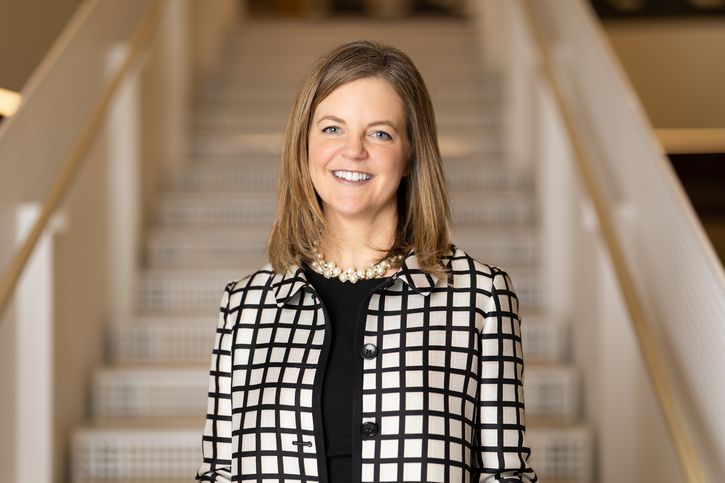
Amanda Brewer, chief executive officer, Habitat for Humanity of Omaha. (CDAC member 2024-present)
Brewer values the open dialogue and thoughtful conversations she has with economists, fellow council members and Federal Reserve employees. Their commitment to objectivity, she shared, fosters a supportive environment where underrepresented voices are heard and valued.
“In a time when so many issues have become politicized, serving on the CDAC gives business and community leaders an opportunity to better understand the essential, non-political role the Federal Reserve plays,” said Brewer. Brewer’s advocacy has helped inform Federal Reserve leadership and economists of the economic challenges, as well as opportunities, facing prospective homeowners in the Tenth District. It’s something she’s proud of and sees tremendous value in.
“Bringing those real-world experiences into the dialogue has been meaningful, and I’m grateful to have helped elevate the perspectives of families striving toward homeownership,” Brewer said.
Connecting Communities, Creating Impact
A conversation with a colleague, who happened to be a Kansas City Fed employee, convinced Steve Radley to join the CDAC. As president and CEO of NetWork Kansas, his mission has always been to help entrepreneurs and small business owners achieve their dreams. As part of the CDAC, he saw an opportunity to help bring forth their perspectives in important conversations within the Council and the Federal Reserve.
“I was impressed with the authentic interest of the Kansas City Fed to try and improve economic conditions across the region,” Radley said.
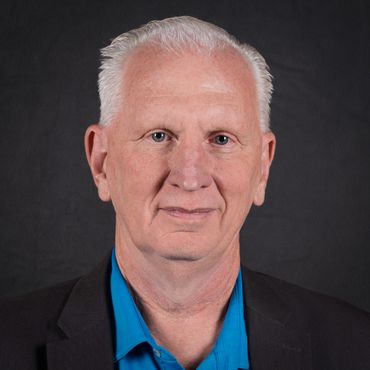
Steve Radley, president and chief executive officer, NetWork Kansas. (CDAC member 2013-2018)
During his tenure on the CDAC, Radley enjoyed interacting with former Kansas City Fed President Esther George. He recalled a time when George traveled to Wichita with her staff to engage with community leaders, discussing topics such as the impact of interest rates, unemployment, stagnant wages and other issues facing the area. “I was impressed that she didn’t send someone else. She came to listen and discuss solutions.”
“My favorite meeting was the annual meeting when President George spent significant time with the CDAC. I was so impressed with the investment at the highest level of the Kansas City Fed to dive into serious challenges in our economy.”
Of the many accomplishments of the CDAC during and after his tenure Radley recounts the following as some of his proudest:
- Meeting with aviation businesses and Kansas City Fed researchers to learn how they approached economic downturns in the wake of the Great Recession.
- Working with now-retired Kansas City Fed Senior Vice President Tammy Edwards and other CDAC members in Moore, Okla., after the devastating tornado in 2013.
- Co-hosting several meetings with the Kansas City Fed, including two Growing Entrepreneurial Communities Summits.
- Helping connect Hegle to the U.S. Treasury Department, leading to the Kansas City Fed hosting a regional conference for state administrators of the State Small Business Credit Initiative 2.0, a $10 billion program administered by the U.S. Treasury.
When asked what he might share with other prospective council members, Radley offered that they “will learn a lot about the region. They can also provide insight that the Kansas City Fed takes very seriously and be assured they will use the information in policy decisions.”
Amplifying Voices in Housing
As a real estate professional in Oklahoma City, Okla., Katrina Washington never imagined she would one day be a part of the Kansas City Fed. During a volunteer event where she was speaking, she met now-retired Oklahoma City Branch Executive Chad Wilkerson and Senior Community Development Advisor Steven Shepelwich, who introduced her to the Federal Reserve and the CDAC. Washington’s position in real estate is distinctive with her focus on low- to middle-income homebuyers. Her CDAC role became vital as she presented the unique challenges facing this demographic.
“I’ve always been that person to speak up for the little guy. So, to be able to provide that voice for people who feel like they can’t speak up for themselves in that kind of a forum, I felt like that was important.”

Katrina Washington, owner, Stratos Realty, and past chair of the Oklahoma City Branch Board of Directors. (CDAC member 2012-2016; Oklahoma City Branch Board of Directors 2017-2024)
Her proudest accomplishment was a report on the impact of student loan debt on homebuying. She shared a scenario about someone who, despite “doing everything right,” couldn’t buy a home due to debt, showing how student loans affect all income levels. This report sparked discussions with the Federal Reserve, leading to a deeper investigation into the topic.
Like Brewer and Radley, Washington valued the discussions and camaraderie between Council members. She saw how collaboration among leaders from different industries across the Tenth District led to effective problem solving.
“What I enjoyed most was sharing, sitting with professionals from other parts of the economy, learning about other industries and learning how those industries coincide with housing. Understanding that they’re going through a lot of the same struggles, and that I’m not alone,” she explained. “How can we help each other overcome some of the same hurdles? We talk about solutions, not just talk about problems.”
In all, Washington is grateful for her experience on the CDAC and how much she learned while a member of the Council. “Being on the CDAC forces you to have a better view of not only the world, but everyone within the world, as well as the economy. It really helped me grow as a person, in my business and in all aspects of my life.”
Looking Ahead
While the issues tackled by the CDAC evolve to meet the needs of communities within the Tenth District, its mission remains the same. Hegle said meaningful community engagement will remain essential.
“The CDAC will continue to serve as a critical bridge — ensuring our community development initiatives authentically address local needs across our District, while simultaneously providing grassroots perspectives that enhance monetary policy discussions. This dual function of the CDAC will continue to advance the Kansas City Fed’s mission.”
In the meantime, the CDAC will keep listening to its constituents, amplifying these often-underrepresented voices in national conversations about the economy.
The views expressed are those of the authors and do not necessarily reflect the positions of the Federal Reserve Bank of Kansas City or the Federal Reserve System.